September 2, 2025
The Beauty of Microclimates & the Magic of Harvest
Wine isn’t just about grapes. It’s about place. And within every vineyard, it’s about the microclimates — those tiny variations in climate that act like secret seasoning for your wine.
At Spicy Vines, September means we’re officially in “go mode.” The valley fruit is nearly ready, the crew is on standby, and the cellar smells like harvest prep: hoses, fresh-picked stems, and possibility.
So why don’t all grapes ripen at the same time? Why do some vineyards hit their stride in September, while others might not be ready until October — or even November? One big reason: microclimates.
What’s a Microclimate?
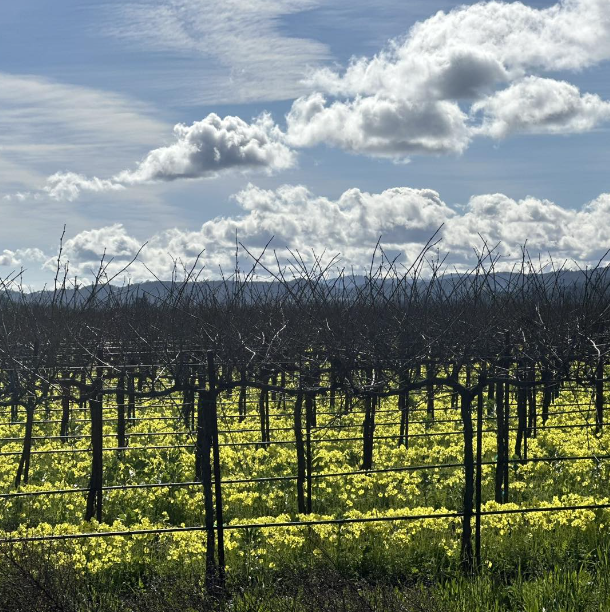
Think of a microclimate as hyper-local climate conditions that can shift dramatically — sometimes just from one row to the next. Slope, exposure, elevation, canopy cover, fog, and wind all combine to create a unique growing environment.
Here’s how those variations show up in your glass:
– Cooler zones → Slower sugar accumulation, longer hang time, bright natural acidity, citrus and red fruit character, fine-grained tannins.
– Warmer zones → Faster ripening, plush texture, darker fruit flavors, riper tannins.
– Foggy zones → Subdued aromatics at first, but when handled right, they deliver earthy nuance and floral tones.
– Balanced exposures → The jackpot: sugars, acids, and phenolics all in sync, giving wines that feel complete.
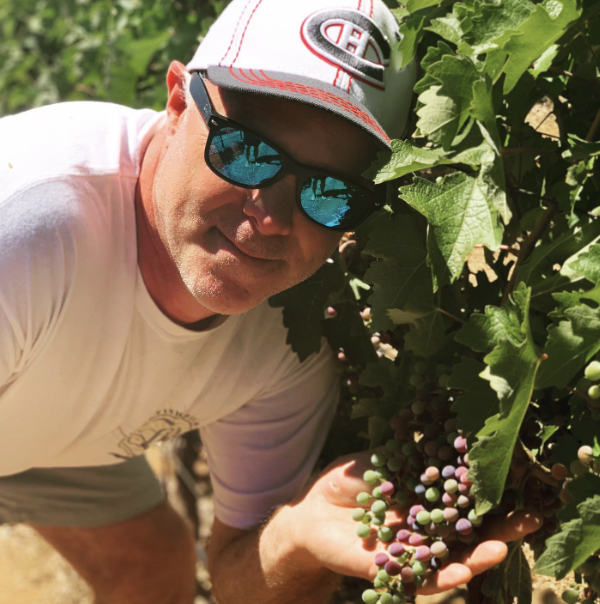
Wine Geek Note: In preparation for harvest, we walk every vineyard and sample fruit across the blocks to measure ripeness. Sugar (Brix) is just one metric — we’re also checking pH and TA (titratable acidity), chewing skins for tannin maturity, tasting seeds for ripeness (green = bitter, brown = silky), and watching how acids shift as nights cool down. Microclimate dictates how fast or slow that whole dance happens.
September for Spicy Vines: Valley Fruit vs. Mountain Fruit
This year, mid-September is when our Dry Creek and Alexander Valley vineyards will start coming in — think Zinfandel, Carignane, and Field Blend. These lower-elevation sites heat up quickly during the day and hold warmth into the evening, pushing fruit toward earlier ripeness and plush, fruit-forward flavors.
Our Pine Mountain vineyards tell a different story. At high elevation, fruit ripens under cooler nights, steady winds, and intense diurnal shifts (that’s the swing between daytime highs and nighttime lows). Translation: sugars rise slowly, acids stay firm, tannins get extra time to evolve, and flavors build complexity layer by layer. That’s why our Pine Mountain Cabernet Sauvignon, Cabernet Franc, and Petit Verdot typically come in a full month later — usually mid-October — and deliver depth, freshness, and age-worthy structure.
Wine Geek Note: Elevation = stress. And stress is a good thing for wine grapes. Smaller berries, thicker skins, and concentrated flavors all come from vines that work harder to ripen. More skin = more tannin, more anthocyanin (color), more complexity.
Of course, timing isn’t set in stone. Every vintage has its own rhythm. A heatwave can push valley fruit ahead of schedule; a cool, foggy fall can delay mountain harvest. That unpredictability is part of what makes winemaking both maddening and magical.
Celebrate With Us: Our Harvest Release Party
Harvest isn’t just a season — it’s a celebration of everything the vineyard gives us.
Join us for our Harvest Release Party, where we’ll raise a glass to the energy of the season. Expect:
– Fresh new Spicy Vines releases
– Four-course food + wine pairings
– Live music by Adam Lieb
– Live art by Jonny Hirschmugl
– Special harvest-only deals for members
RSVP today → Harvest Release Party
Final Take on Microclimates (and Why They Matter)
Microclimates don’t just tweak the weather forecast — they shape how a grape lives, ripens, and expresses itself. They influence everything from acidity to tannin, aromatics to ageability. They’re the reason one block can scream raspberry while the next hums blackberry — all within the same vineyard.
And here’s the kicker: it changes every year. Vintage to vintage, Mother Nature writes a new script. We just do the translating.
So when you pour a glass of Spicy Vines this season, you’re not just drinking wine. You’re sipping a snapshot of this year’s harvest, this year’s weather, this vineyard’s microclimate — bottled at its peak.
That’s the geeky, glorious beauty of microclimates. And this harvest, we’re raising a glass to every breeze, every fog bank, and every sunlit slope that makes our wines sing.